
by Kate Morel
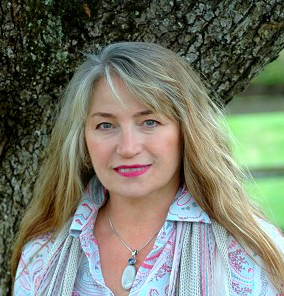
Kate heads up Morel & Co, who specialise in experiential and boutique glamping such as treehouses and quirky cabins. She also runs an independent consultancy, supporting forward-thinking landowners to develop and diversify using her intuitive understanding of prevailing market demands.
Considered a leading glamping industry expert and ambassador, she writes regularly for business publications, runs glamping start-up workshops, presents seminars, and participates in expert panels at industry events. Kate also supports a sustainable build and agro-forestry education centre in South America, and mentors budding hospitality, tourism, and design professionals.
When working on a new glamping development the biggest hoop to jump through is the planning application. This can be an unpredictable process, usually due to issues such as conservation restrictions, unreasonable and negative reactions from neighbours, or how a Planning Officer views or interprets the proposed concept and information.
Setting up a glamping business is challenging enough, but planning can be a particular source of immense frustration with a lot of time, energy and money being poured into it – I’m sometimes contacted regarding situations where sadly it’s too late for any of my planning associates to help. So, get informed, know when to quit, and minimise the risk by finding a planning consultant who understands glamping and works in the best interest of you and your business. When a good planning consultant anticipates problems or a poor outcome, they will tell you straight, after that it’s up to you whether you push ahead or not.
Some glamping projects are small or don’t have a big budget, or maybe the planning looks straight-forward, and the owner feels they can handle it themselves. This can work out satisfactorily (even if the process takes longer and proves to be frustrating) although bear in mind that applications are sometimes turned down for reasons which could legitimately be challenged, it would however take someone who knows the ropes to spot them. If D.I.Y. is your chosen route you might want to join my Facebook Group ‘Glamping Site Owners Club’, for moral support from those who have bravely gone before! All planning applications are subject to National Planning Policy and the Council’s Local Planning Policy (published online), which is created to meet that area’s specific development needs – and pertinent to glamping applications that means tourism. They vary, but often require you to provide evidence that there is a genuine demand for the type of accommodation you want to create. Obviously, the stronger and more unique your business model is, the easier this is to do – not to mention good business sense given the level of competition these days.
Common sense dictates that for large (multiple units), complex (treehouse, conservation areas etc), or high-investment developments, it is necessary to surround yourself with informed advice and experienced specialists. My work involves formulating creative business models, which often means liaising with planning because if either are unviable the project cannot proceed. As such, I work closely with planning consultants and we often conduct site visits together to evaluate potential opportunities and constraints, facilitating the best chance of success all round and a smooth, cost-effective process. One of the planning consultants I work with is John Benson, a former Council Planning Officer who now works as an independent Planning Consultant, as someone who understands both sides of the process I asked John to write a few words from his perspective.

“Planning!!! The one topic that most people think they know something about. Ask anyone and they will conjure up a rule, a regulation or something they have heard and assume is the truth, but in all honesty, it’s probably wrong.
Planning legislation in the UK can be a minefield and one of the biggest challenges is keeping on top of this legislation because it is constantly changing. Reading this article, my first ever, you’ll have a keen interest in how planning and glamping relate. In short, if you take a measured approach and get the right team on board from the outset then you’ll find the process easier and are more likely to get the consents you seek. However, this isn’t to say there won’t be hurdles along the way because glamping developments are located within the countryside which is the most protected area when it comes to new developments, and this means they come with restrictions.
So, you have a piece of land and are wondering what you can do with it. Other than establishing business viability, your first port of call should be a Planning Consultant who will want to do a site appraisal to discuss your ideas, look at how to develop the site, and assess any potential problems. I cannot emphasise enough the importance of getting a professional on board as they’ll quickly identify any problems you may have. The main issues are:
The location of your site: Is it too remote, is it in a high value landscape area, are there flood risk issues, are there access issues, could there be neighbour problems, conservations such as Ancient Woodland or AONB, and archaeological impacts, also, is there a need for your type of glamping in the area, if you got your business model right, then there is. If any of these negative issues exist, some could result in your project never commencing, which I know would be very disappointing. At least you will have done the right thing in employing a professional to assess the site prior to embarking on a journey which could involve several other specialists and expense.
If the planning consultant is confident that your site would be considered acceptable by the Council, at this stage, I would still not look to submit a full planning application, Councils offer a pre-application service which is encouraged throughout the country which is a good way to test the water before going to the expense of developing the project further and a full planning application.
So, what is pre-application engagement? It can take several forms and each Council have their own way of dealing with this. Primarily you would need to complete an online form which includes your information, address of the site for development and a description of what you are proposing. A Planning Consultant should provide a detailed supplementary report which outlines your proposal and how it complies with respective planning policies both at local and national level.
The benefits of pre application engagement are significant and include:
- High quality and professional advice, committed to the collaborative approach
- Identification at an early stage any need for specialist advice or surveys such as trees, landscape, noise, transport, contaminated land, ecology or archaeology
- Quicker decisions on applications with more positive outcomes
- Lower costs due to a reduction in time spent by your professional advisors drawing up proposals
- Quick identification if a proposal is completely unacceptable, saving you the cost of pursuing a formal application
- Continuity, as wherever possible, the planning officer who provides the pre-application advice will be the case officer for the subsequent planning application
There is a fee for the pre-application service which varies from Council to Council as they are not set by Central Government.
Once the Council are in receipt of your form and report, they’ll usually consult other departments within the Council and ask for their feedback. After a few weeks the Council’s Planning Officer will write a detailed report which will outline whether they’ll support your proposal or not. If they don’t, they’ll provide details on why and that can sometimes be the end of the road for the project. Those who have embarked on a project without engaging with the Council, and have it refused, will have wasted so much time, so it’s best to embark on early negotiations.
Ultimately the Council must be comfortable that your proposal is in compliance with the Local Plan and National Planning Policy Framework.
- Local Planning Authorities must prepare a further Local Plan which sets planning policies in a local authority area. These are very important when deciding planning applications. Given that you’ll be developing land in a rural area, the Council will have specific policies about developing in the countryside and relating to tourism.
- The National Planning Policy Framework (NPPF) sets out the Government’s economic, environmental and social planning policies for England. Any development you proposed must conform to the relevant Policies within these documents.
So, let’s say you have a positive response from the Council, what’s next? I would always advise that you make the local community aware of what you are doing prior to the submission of a planning application as this generally gets good faith and it makes them feel involved.
Progressing the project now means that you have to choose your team of specialists which can be daunting. All the relevant specialists will play a vital role for you and your project so I would strongly advise that you make sure they suit your individual project and have worked on such projects before. For large developments, one of the biggest risks is choosing the right architectural practice which represents a large expense, so look at their track record, see if they have done glamping or leisure projects before and what they will provide for you. Get an accurate quote because it is likely that drawings will need amending through the planning process – and you don’t want invoices out of the blue for extra work. The likelihood is that the architectural practice will have a preferred team of consultants who they work with but make sure you are happy with them.
Do your due diligence! With glamping projects, the architectural practice should provide you with a location plan, block plans, layout and elevation drawings of the glamping units and other structures, landscaping plan, drainage plan, lighting arrangement and visuals. Presenting schemes with 3D visuals is becoming more and more popular and aside from providing the Council will a true image of how the development will look, they will also assist your marketing purposes in the future. Glamping sites vary enormously and not all use an architectural practice, regardless, whoever you employ in driving your project forward, ensure they are experienced and understand the glamping industry.
At this stage, you should be feeling positive as you have a positive pre-application response and a great team working on your behalf to get you the best outcome. However, for whatever reason, if your application is refused then you do have the right to appeal and your Planning Consultant will advise you on the process. If your application is approved, you will need to comply with the Conditions attached to approval. This is common and if you are using an architectural practice, they would submit information to the Council on your behalf.
Once the Council are happy with all the additional information received – you are good to go!”
John Benson: http://bensonplanningstudio.co.uk/
This article first appeared in our September/October issue of International Glamping Business magazine