
Walking around the Glamping show recently, I was struck by the variety of types of accommodation unit that are on the market. From traditional yurts, safari tents, bell tents and shepherds’ huts to more complex designs such geodesic domes, tree houses and all permutations of pods structures, the choice for potential buyers can be overwhelming and confusing. So, what criteria should someone considering starting a glamping business be using to weigh up the relative merits of each design and choose the product that best meets their needs?

As architects and designers our very first service is to prepare a brief based on an initial meeting with the client. In a similar way, if the prospective purchaser first defines their requirements and the unique characteristics of their site, they will be better prepared to critically evaluate the suitability of the different products that they are considering and maximise their return on investment.
We encourage our customers to first list all the attributes that make their site unique. Is it remote and tranquil, allowing visitors to unwind, or is it in close proximity to local landmarks and amenities? Can additional experiences be facilitated, such as activities onsite or nearby, and are you able to supply food produced in your land? Is the site rich in biodiversity allowing visitors to contemplate and learn about local wildlife? Is it a good site for the observation of the night sky? These are just examples and each landowner will know exactly what makes their site desirable as a place to visit.
It is also very important to consider what potential visitors will be looking for. Market research shows that more and more visitors, especially young adults, are looking for authentic experiences and look for what brands stand for and the experiences they offer rather than specific products.
Although glamping might still be in its infancy, as an industry it is developing fast and the potential for growth can be limitless. When developing a site, it is imperative to get the balance right between the site and the design of the glamping accommodation, or otherwise the ability to offer something different and be competitive will suffer. Think about things like density (too high and the site might lose its natural appeal and look too developed), type of structure (choose the same as everyone else and you might not be able to compete on pricing and be unique), and requirement for groundworks. Structures that require heavy foundations or excessive landscaping might ruin existing biodiversity, rendering the uniqueness of your site worthless.
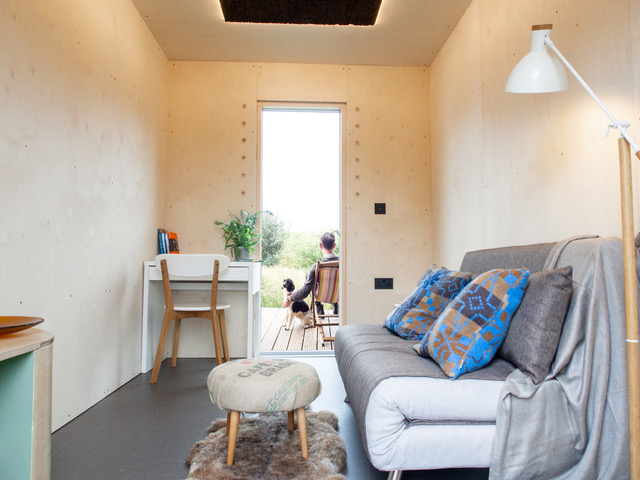
Our view is that structures should blend within the existing landscape rather than be sited in a way that makes them too prominent and gives the site a regimental and ugly feel. As designers we believe our role is to create structures that integrate in the natural landscape. Our challenge is to create the right accommodation that will provide a memorable, rewarding experience for the visitor, finding the right balance between comfort and the benefits of being closer to nature.