

The US travel sector needs to reframe its messaging around the sustainable actions being taken by its destinations and businesses to remain competitive with European markets.
According to Pieter van Berkel, president of the International Inbound Travel Association and president of tour operator Travelco, there is an enduring perception problem with European tourists in the US. The issue was a major topic of discussion at the association’s summit last week.
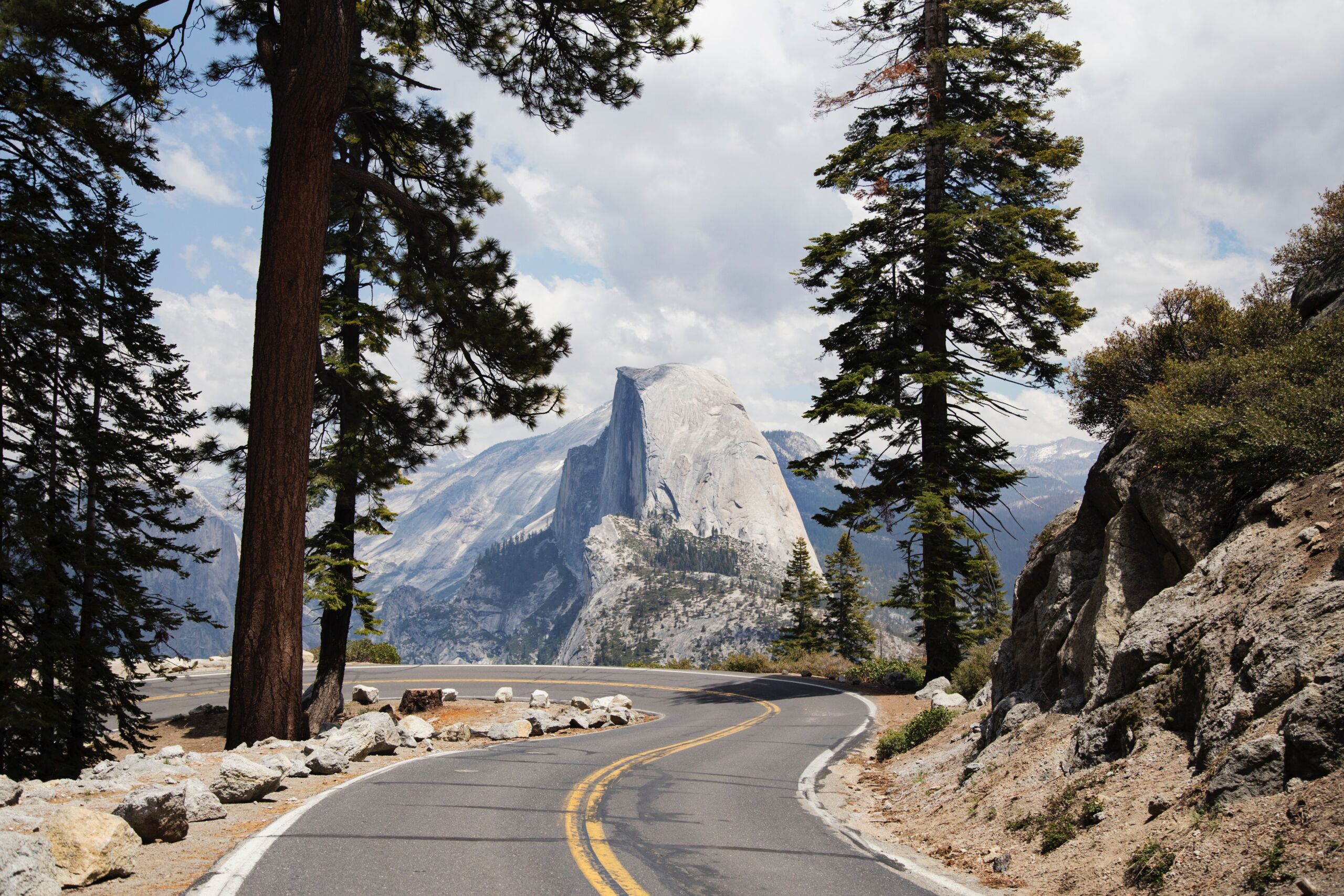
European countries are perceived to be much more advanced when it comes to sustainability, leading some potential tourists to wrongly assume that the US isn’t doing much in comparison, he said. Travellers wishes to see more evidence on the conversation that supports a shifty “megatrend” that 2023 will be the year of action on climate change.
The perception problem may be a contributing factor to why European travel to the US has been slow to recover from the pandemic. According to a recent forecast by the National Travel and Tourism Office, the UK, France, Italy, Spain and Germany—the top inbound markets without visitor visa requirements—will not reach 2019 volumes until 2025 or 2026.
According to Michael Edwards, managing director of Explore Worldwide, a tour operator, considering how sustainable a destination is has moved up the ladder in importance for European travellers. “People are making more informed choices about where they go but also how they get there and how they travel when they get there,” he said.
According to a recent report by the World Tourism and Travel Council, Trip.com and Deloitte, nearly 70% of travellers are actively looking for sustainable travel options. About 75% expressed their desire to choose sustainable travel options in future.
To win over European travellers, some destinations have adopted sustainable marketing strategies. For example, Cyprus replaced the loss of its Russian tourist segment with travelers from Germany, Poland, Hungary, France, Austria, Italy, Israel and Switzerland with such a strategy.
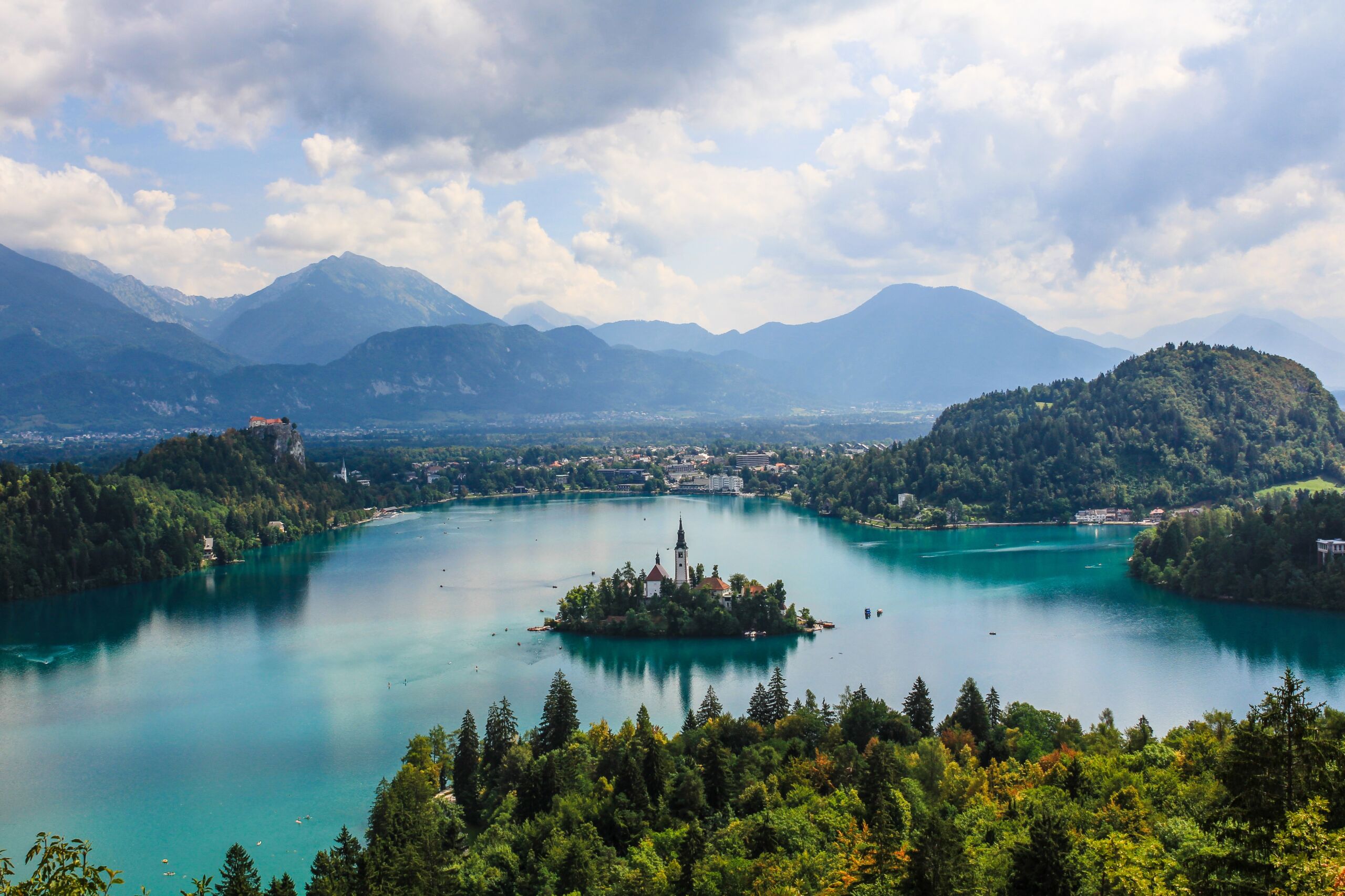
Some destinations have a national certification program that reinforces their green image with travellers. Slovenia has had a green certification scheme for destinations, hotels and other tourism organizations for more than five years.
According to Edwards, at the moment, US marketing is still too traditional and not high enough on sustainable options and diversity. “You don’t see a lot of advertising around the US whether it’s by operators or tourism bodies,” he said. “They focus on that to some extent but it’s still the big things that get advertised. It’s still in New York. Flying, visiting L.A., doing Disney things, stereotypical things that people like. They’re awesome, but they’re still driving the agenda.”