

‘Glamping’ and ‘Arctic’ seem like incompatible concepts – but Russia is leading the change.
Russia is encouraging its citizens to reap the benefits of climate change by offering free land in the molten Arctic for ecotourism, including glamping. Global warming has caused a transformation in the far east and north of Russia; and as temperatures rise, the land (and the ability to cultivate it) has improved.
The Arctic region is warming more than twice as fast as the planet and was ravaged by wildfires last year. Scientists say large swathes of permafrost in northern Russia are at risk of melting “dangerously”, with swamps and lakes sprouting up like mushrooms in the area.
However Russia’s Arctic Hectare program is encouraging those who live further east to take advantage of climate change and develop the region.
Six Russian regions have been freely offered to citizens to develop “small and medium-sized enterprises” on the land, with thousands already requesting ownership of the million hectares (3860 square miles) currently available.
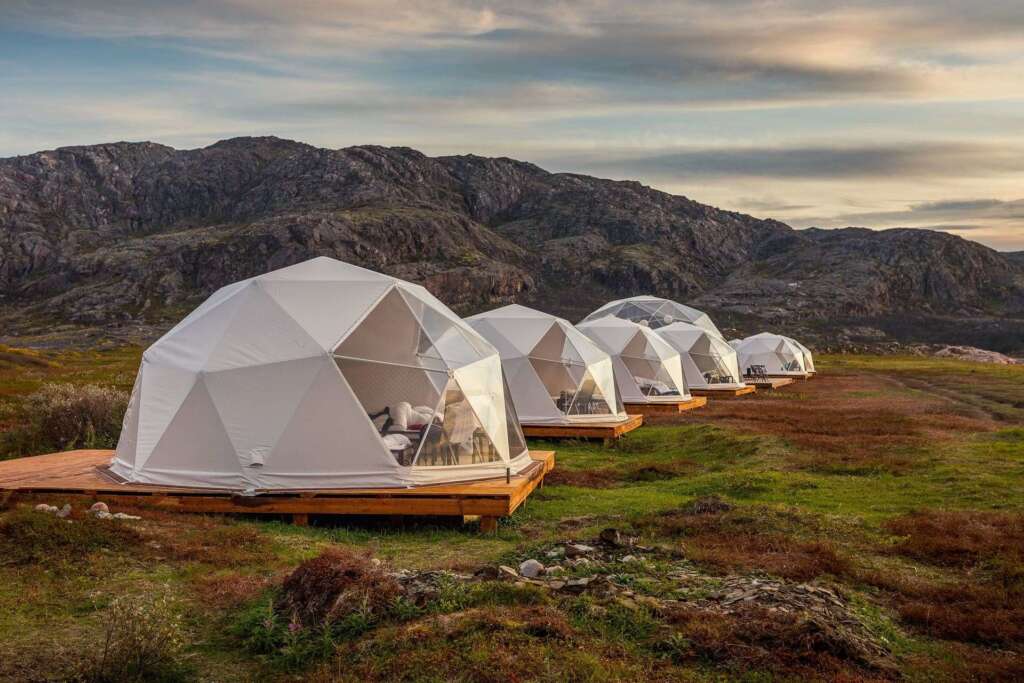
“The Arctic is different. There are places for environmentally friendly recreation – for example, in Karelia and the Murmansk region, for tourism, the development of small and medium-sized enterprises,” said Alexei Chekunkov, head of the Ministry of Development of Far East.
The Arctic Hectare Program website gives examples of successful development, including eco-glamping resorts in Chukotka in the Arctic Circle, a strawberry plantation in the Khabarovsk region and an Arctic poultry farm.
According to EcoTourism Expert (eco-tourism.expert), eco tourism has become a driving force in Russia’s tourism industry and has the potential to become one of the world leaders in this sector.
This can be seen in the creation of new trails in nature reserves and national parks to preserve the environment and encourage more visitors.
“Types of eco tourism are developing very dynamically and are increasing every year by about 25-30%; the number of ecotourists is growing and travellers are getting younger,” says Zarina Doguzova, head of the Russian Federal Tourism Agency. “A large number of young people are ready to go into nature and even prefer this type of recreation to the more popular beach vacations.”
Currently, over 2,400 people have applied for land in the Murmansk region, followed by 883 in the Arkhangelsk region.