
Tell us the background of Coir Store – how did it come about?
I formed Coir Store in February 2015, and at that point was still working as a marquee erector.
In around 2010 wedding clients were moving away from “formal” wedding marquees and preferring rustic, shabby chic or vintage weddings, and as such the demand for traditional marquees with coir flooring was increasing in demand and popularity.
With my 18 years of experience using coir products while as a marquee erector, and 20+ years of travelling extensively in India, I knew exactly where to source the appropriate products to import. In early 2015 I visited south India where not only did I source great products but also had the opportunity to see the village based mills. For myself and Coir Store, ensuring the local people producing the mats have a fair wage and good working condition is of equal importance as that of the product itself.
When did you become involved in the glamping industry?
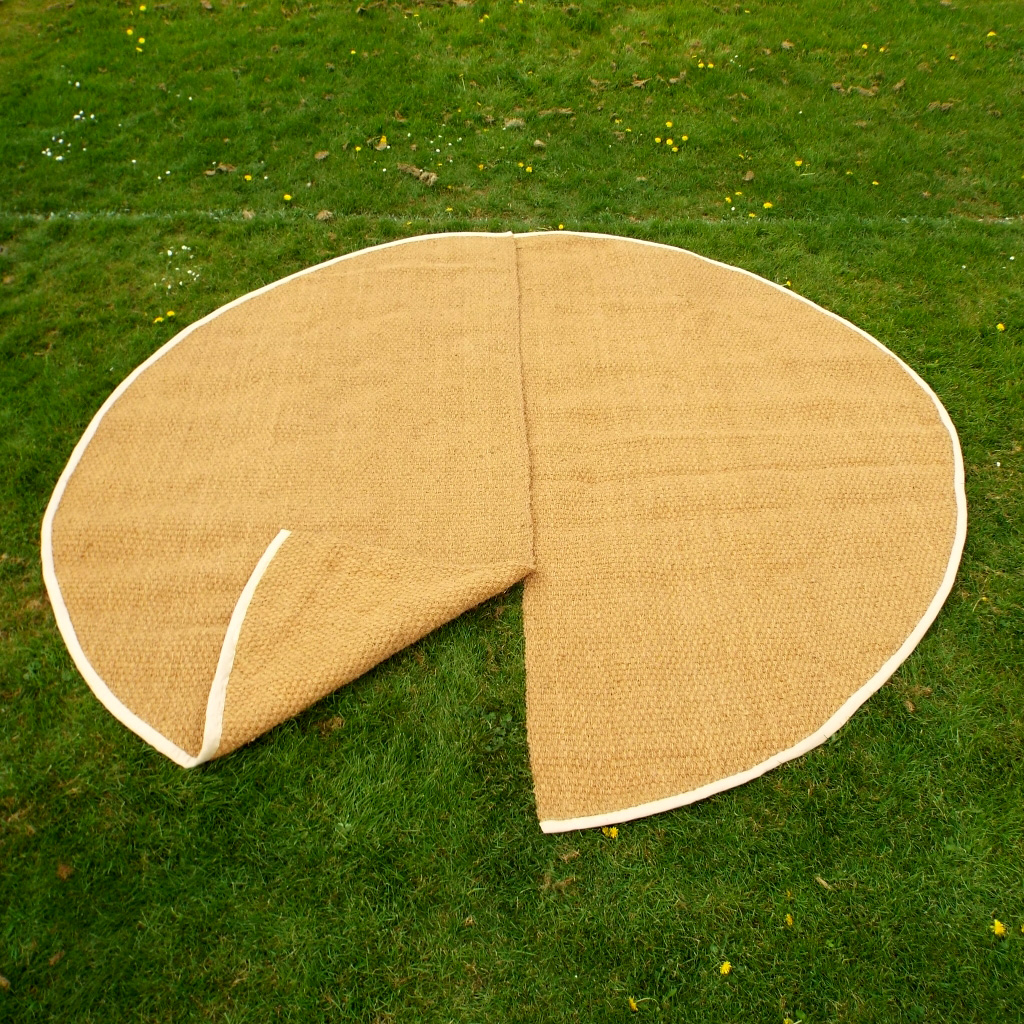
By late 2015 I decided to increase my product range as I was increasingly getting more enquiries for mats to suit bell tents, yurts and other structures primarily being used in the glamping sector.
When I formed Coir Store I thought my main market would be marquee hire companies, but the reality is I sell much more to the glamping sector in the form of half moons and bespoke smaller mats.
What are your best-selling products and why?
Without doubt my best selling products are the half moon coir mats. I offer a range of diameters from 3.7m up to 7m, plus I offer 10m diameter to suit large hat tipis or giant yurts. With the majority of glamping businesses offering 5m bell tents, the Panama 4.9m diameter is by far the best seller, so I always carry a large stock of these.
Has the market changed in the last 10 years and if so – how?
From my perspective the only change I’ve seen in the past 5 years is an increase of sales throughout Europe as the popularity of glamping spreads. It’s still a growing market and now on a global scale.
What products do you predict will be most popular in 2020? I don’t really expect to see a shift in popularity for products. As always half moons will be popular especially 4.9m Panama, and with larger structures becoming more common I anticipate increased sales in sizes 7m and over.
What advice would you give to customers who are just settling up sites and are looking for flooring solutions?
Coir is an excellent choice as a flooring solution due to a multitude of natural advantages over synthetic options; flame resistant (certified), moisture resistant, anti static with insulating properties, and 100% biodegradable. It is extremely hard wearing and under general use should be good for at least 10 seasons.
All our products are reversible weave, so if you have a quick turn around and not enough time to clean any dirt, simply flip the mat over and you’re good to go.
What upkeep if any is required for your products?
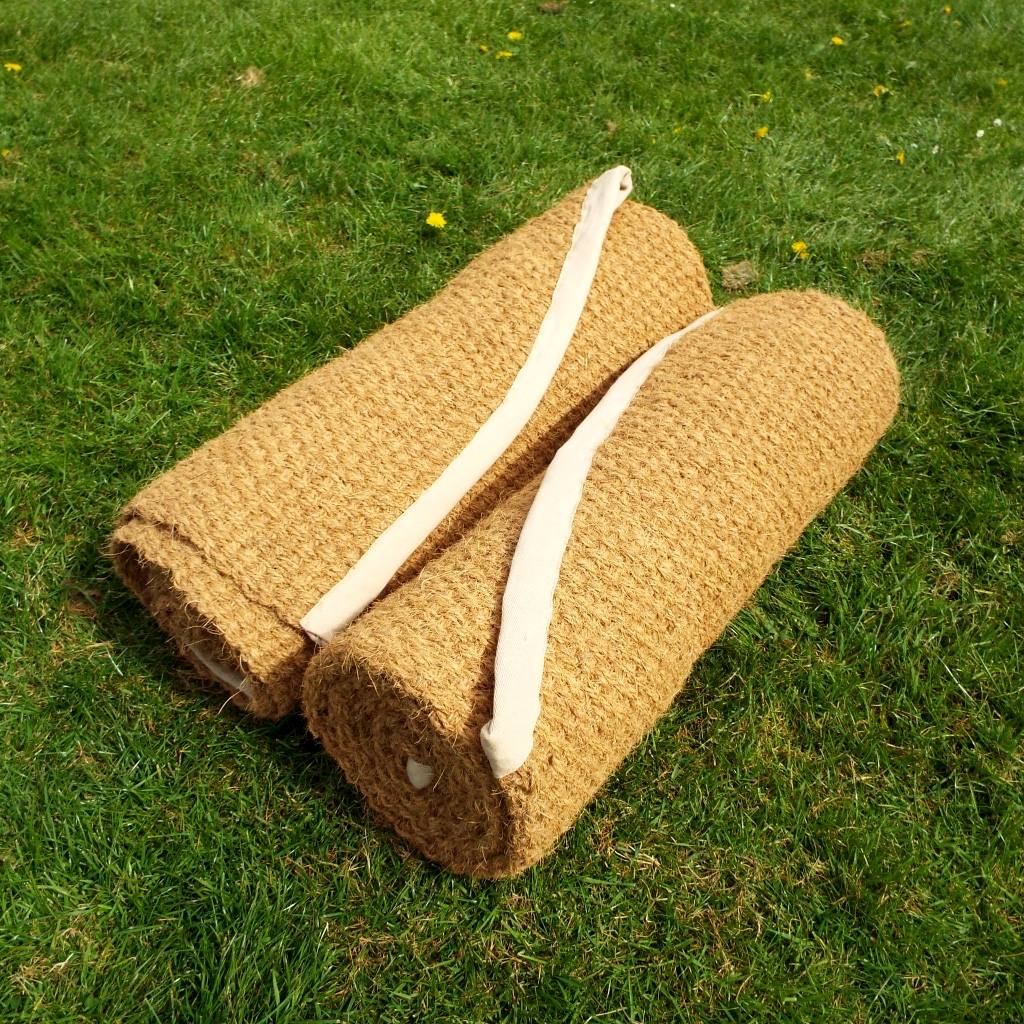
Providing the mats are looked after and stored 100% dry they will be good for many years. Coir is a 100% biodegradable fibre, so if the mats are stored wet for months, or left outside for years they will decompose! Light dirt can be simply shaken or brushed off. For heavier soiling or staining the best solution is to drape the mats over a fence or similar and jet wash. This will not damage the fibres or the mats themselves. Leave out on a sunny windy day and they’ll soon be dry.
How long can they stay on site?
If the mats are inside and there is no likelihood of them getting wet or damp, then the mats can be a permanent solution.
If the mats are laid inside but not on a damp proof membrane then it would be prudent to “air” them out every 2 weeks to prevent dampness. It’s always advisable to have a membrane as it prevents undue soiling and wetness, plus avoids extra work in cleaning/drying them!